Whether you’re a beginner or an experienced cyclist, you’ve probably heard the advice: “Increase your cadence.” But what does cadence actually mean, and why is it so important?
Understanding cadence can help you ride more efficiently, reduce fatigue, improve endurance, and enjoy longer days on the bike, especially during multi-day cycling holidays in Portugal.
In this guide, we’ll explain what cycling cadence is, why it matters, and how you can improve it for a smoother and more enjoyable ride.
What Is Cycling Cadence?
Cadence refers to the number of times you rotate the pedals in one minute, measured in revolutions per minute (RPM).
For example, a cadence of 90 RPM means each pedal completes 90 full rotations every minute.
While there’s no single “perfect” cadence for every rider, learning to pedal efficiently can make a noticeable difference in your comfort and performance.

Why Does Cadence Matter?
Many cyclists focus on speed or distance, but cadence plays an equally important role in overall riding efficiency.
A suitable cadence helps you:
- Reduce muscle fatigue
- Improve pedalling efficiency
- Maintain energy over long distances
- Climb more comfortably
- Protect your knees by reducing excessive force on each pedal stroke
Rather than pushing a heavy gear at a slow cadence, many experienced cyclists prefer spinning a slightly easier gear at a higher cadence.
Low Cadence vs. High Cadence
Low Cadence (Below 70 RPM)
Pedalling at a low cadence usually means pushing a harder gear.
Advantages:
- Strong power on short efforts
- Useful for certain climbs
- Can feel natural for some riders
Disadvantages:
- Higher stress on muscles and joints
- Faster muscular fatigue
- Harder to maintain over long rides

High Cadence (80–100 RPM)
Most recreational and endurance cyclists naturally ride within this range.
Benefits include:
- Smoother pedalling
- Better endurance
- Reduced muscular fatigue
- More efficient energy use
- Easier recovery during long rides
This is one reason many cyclists find multi-day tours more enjoyable when maintaining a comfortable cadence.
Is There an Ideal Cycling Cadence?
The truth is that the ideal cadence depends on several factors, including:
- Fitness level
- Riding experience
- Terrain
- Bike type
- Personal preference
Professional cyclists often average between 85 and 100 RPM, but recreational riders shouldn’t worry about matching those numbers.
Instead, focus on finding a rhythm that feels smooth and sustainable.
Cadence on Different Terrain
Flat Roads
On flat roads, maintaining a steady cadence between 80–95 RPM is often comfortable for most riders.
Climbs
Many cyclists naturally slow their cadence when climbing. Shifting into an easier gear allows you to maintain a smoother rhythm and conserve energy.
Descents
During fast descents, cadence becomes less important as gravity provides much of the speed.


Cadence and Long-Distance Cycling Holidays
If you’re planning a cycling holiday in Portugal, efficient cadence becomes even more valuable.
Riding for several consecutive days means managing your energy carefully. Cyclists who maintain a comfortable cadence often finish each day feeling fresher and recover more quickly for the next stage.
Whether you’re exploring the rolling roads of the Alentejo or the coastal routes of the Algarve, efficient pedalling can make the entire experience more enjoyable.
How to Improve Your Cadence
Improving cadence doesn’t require expensive equipment.
Here are a few simple tips:
Shift Earlier
Don’t wait until your legs are struggling. Shift to an easier gear before your cadence drops too much.
Spin, Don’t Grind
Aim for smooth pedal strokes instead of pushing hard on every rotation.
Practice Cadence Drills
During easy rides, spend a few minutes increasing your cadence while maintaining a comfortable effort.
Stay Relaxed
A relaxed upper body allows your legs to move more efficiently.
Ride Consistently
Like any cycling skill, cadence improves naturally with regular riding.
Does Bike Type Affect Cadence?
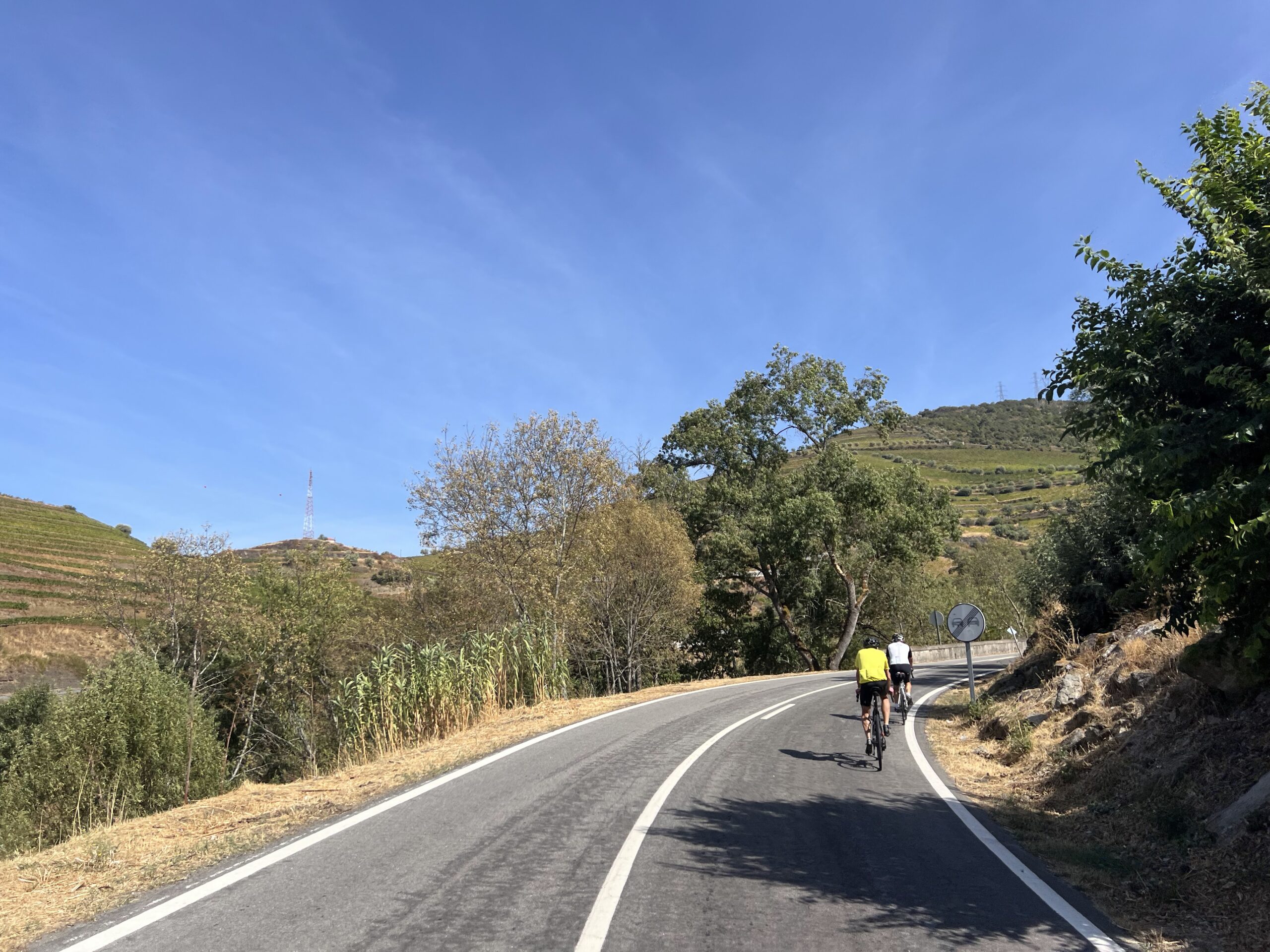
Both road bikes and gravel bikes benefit from efficient cadence, although the ideal rhythm may vary depending on the terrain.
Road cyclists often maintain a more consistent cadence on smooth asphalt, while gravel riders naturally adapt their cadence as the surface changes.
Regardless of the bike you’re riding, smooth pedalling always contributes to a more enjoyable ride.
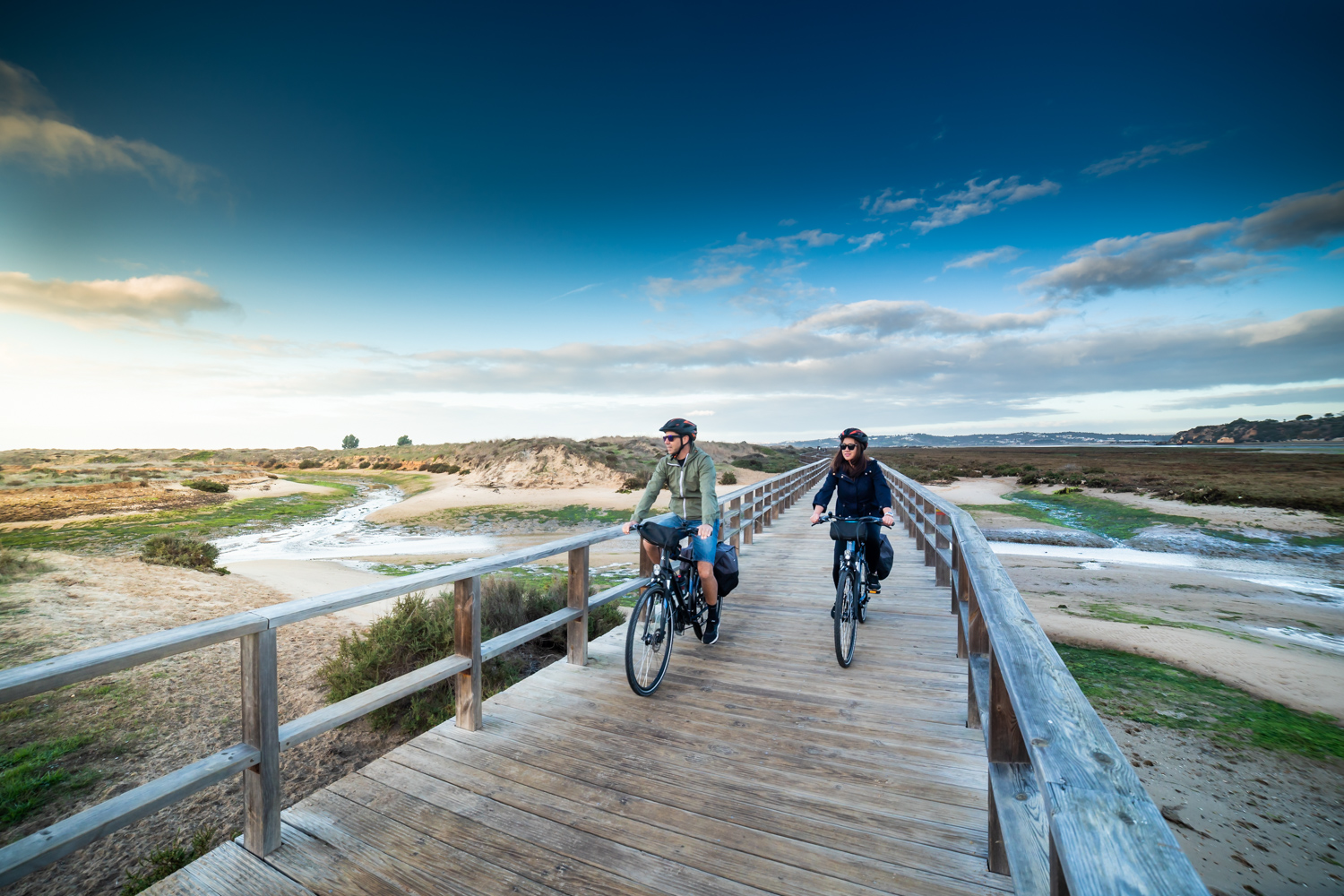
On E-Bikes the cadence has an even major influence.
Why is cadence so important with e-bikes?
Is critical with e-bikes because it directly determines your motor efficiency, battery range, and the overall responsiveness of your ride.
The importance of cadence breaks down into a few specific areas:
- Motor & Battery Efficiency: Most e-bike motors (such as Bosch or Shimano) operate at their peak efficiency between 60 and 90 RPM. Pedaling too slowly (“grinding” in a heavy gear) forces the motor to work much harder under load, which can drain your battery quickly and cause the system to overheat on steep climbs.
- Ride Feel (Cadence vs. Torque Sensors): E-bikes use sensors to decide how much power to feed you, and cadence plays a primary role here:
Cadence Sensors: These sense if and how fast you are pedaling. They generally provide a steady, on/off boost. If you keep your feet spinning, the motor maintains consistent power, making it great for effortless, low-effort cruising.
Torque Sensors: Found on premium models like those using Brose or Yamaha systems, these measure how hard you press the pedals. In this case, maintaining a higher cadence allows you to spin lightly and travel farther, whereas applying heavy pressure at a low cadence signals the motor to dump maximum power.
- Extended Range: Maintaining a smooth, higher cadence of 80–90 RPM optimizes both human and electrical energy. Scientific riding studies have shown this sweet spot can extend your e-bike’s travel distance by up to 15% compared to erratic or slow pedaling.
Cadence and Cycling Holidays with BikeSul Tours
At BikeSul Tours, our cycling holidays are designed for enjoyment rather than racing.
Whether you join one of our guided tours or explore independently on a self-guided adventure, maintaining a comfortable cadence helps you enjoy the scenery, conserve energy, and make the most of every kilometer.
Our carefully planned routes allow riders of different experience levels to ride at a sustainable pace while discovering the beauty of Southern Portugal.